
Summary
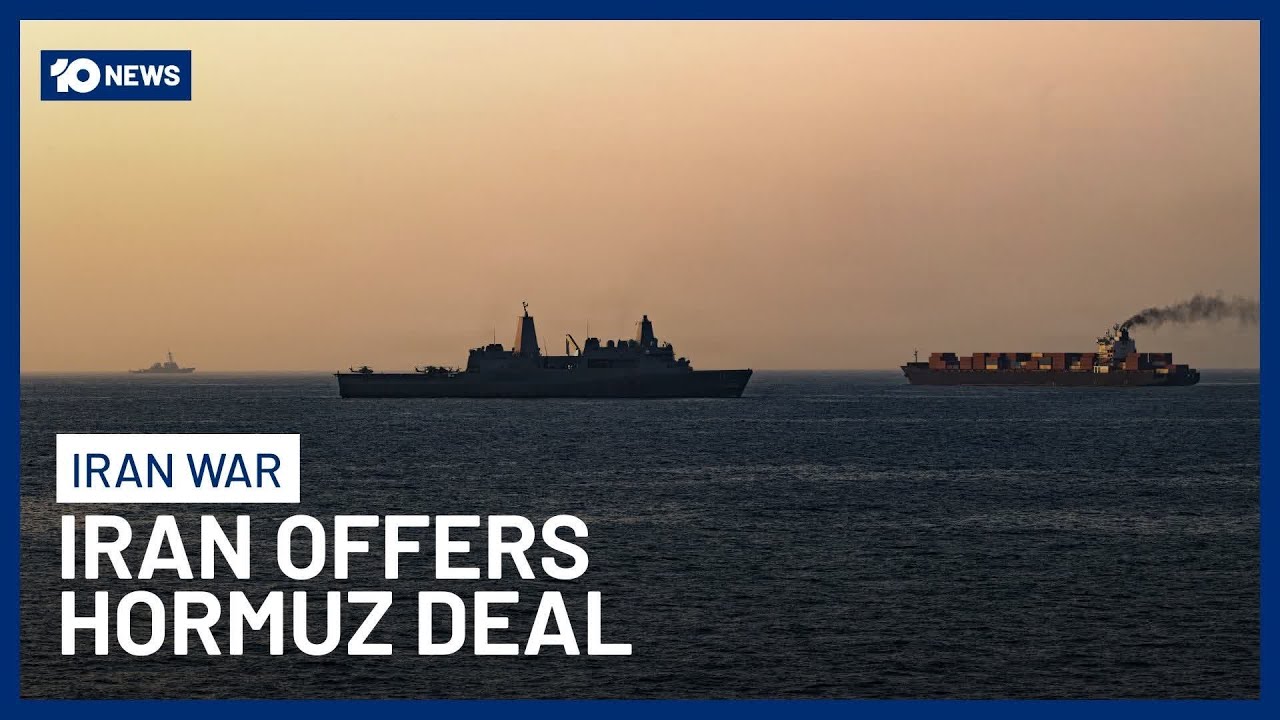
Reports indicate **Donald Trump**'s administration is considering or enacting a blockade of Iranian ports, primarily targeting the **Strait of Hormuz**, a crucial global oil transit route. This move aims to cripple Iran's oil revenue and pressure Tehran amid stalled peace talks. The US has reportedly intercepted or turned back vessels heading to Iran, with plans for further strikes and even ground operations to secure the strait being discussed. Iran has decried the blockade as "piracy" and vowed retaliation, escalating a "war of blockades" that has already seen commercial vessels seized by both sides. The situation has sent **oil prices** soaring, underscoring the waterway's geopolitical and economic significance.
Key Takeaways
- The US is reportedly implementing measures to blockade Iranian ports and control passage through the Strait of Hormuz.
- The primary goal is to cripple Iran's oil revenue and pressure its government amidst stalled negotiations.
- Iran has condemned the actions as "piracy" and threatened retaliation, escalating a "war of blockades."
- The situation has already caused a significant spike in global oil prices.
- There is a substantial risk of wider military conflict and severe disruption to global energy markets.
Balanced Perspective
The US is employing naval interdiction and blockade tactics to restrict Iran's oil exports, a strategy aimed at economic coercion. While the US frames this as a measure to pressure Iran, Iran views it as "piracy" and a violation of international norms. The effectiveness and legality of such blockades, especially in a contested waterway like the Strait of Hormuz, remain subjects of international law and diplomatic debate. The immediate impact has been a surge in oil prices, reflecting market anxiety.
Optimistic View
The US blockade, if successful, could be a decisive non-kinetic blow against Iran, forcing concessions without direct military confrontation. By choking off oil revenue, it pressures the regime to return to the negotiating table, potentially leading to a more stable regional order and a de-escalation of broader conflicts. This strategic economic pressure could ultimately save lives and resources by averting larger-scale military engagements.
Critical View
This escalation risks a dangerous tit-for-tat conflict, potentially drawing the US into direct confrontation with Iran and its proxies. Iran's threats of "long and painful strikes" and targeting Gulf state ports, coupled with the seizure of commercial vessels, paint a grim picture. A full-scale blockade could severely disrupt global energy markets, trigger retaliatory attacks on shipping, and destabilize the entire Middle East, with devastating humanitarian and economic consequences.
Source
Originally reported by BBC