
Contents
- 🌱 Introduction to Vegetables
- 🍴 Defining Vegetables: A Complex Task
- 🌿 The Evolution of Vegetable Consumption
- 🥗 The Nutritional Powerhouses of Vegetables
- 🌸 The Cultural Significance of Vegetables
- 🍲 The Versatility of Vegetables in Cuisine
- 🌻 The Environmental Impact of Vegetable Production
- 🏥 The Health Benefits of a Vegetable-Rich Diet
- 🌟 The Future of Vegetable Production and Consumption
- 🌱 Conclusion: The Unassuming Heroes of the Food World
- Frequently Asked Questions
- Related Topics
Overview
Vegetables have been a cornerstone of human diets for thousands of years, with a history dating back to ancient civilizations in Egypt, Greece, and Rome. The skeptic might question the nutritional value of certain veggies, but the fan will argue that they are the key to a balanced diet and a cultural phenomenon, with a Vibe score of 80. From the engineer's perspective, the process of cultivating and distributing vegetables is a marvel of modern agriculture, with the global vegetable market projected to reach $1.4 trillion by 2025. However, the futurist will note that the rise of vertical farming and plant-based diets is set to disrupt the industry, with companies like Beyond Meat and Impossible Foods already making waves. As the world grapples with the challenges of sustainable food production, vegetables will play an increasingly important role, with 70% of the world's freshwater supply being used for agriculture. The influence of vegetables can be seen in the work of food activists like Michael Pollan and Vandana Shiva, who have highlighted the need for a more sustainable and equitable food system.
🌱 Introduction to Vegetables
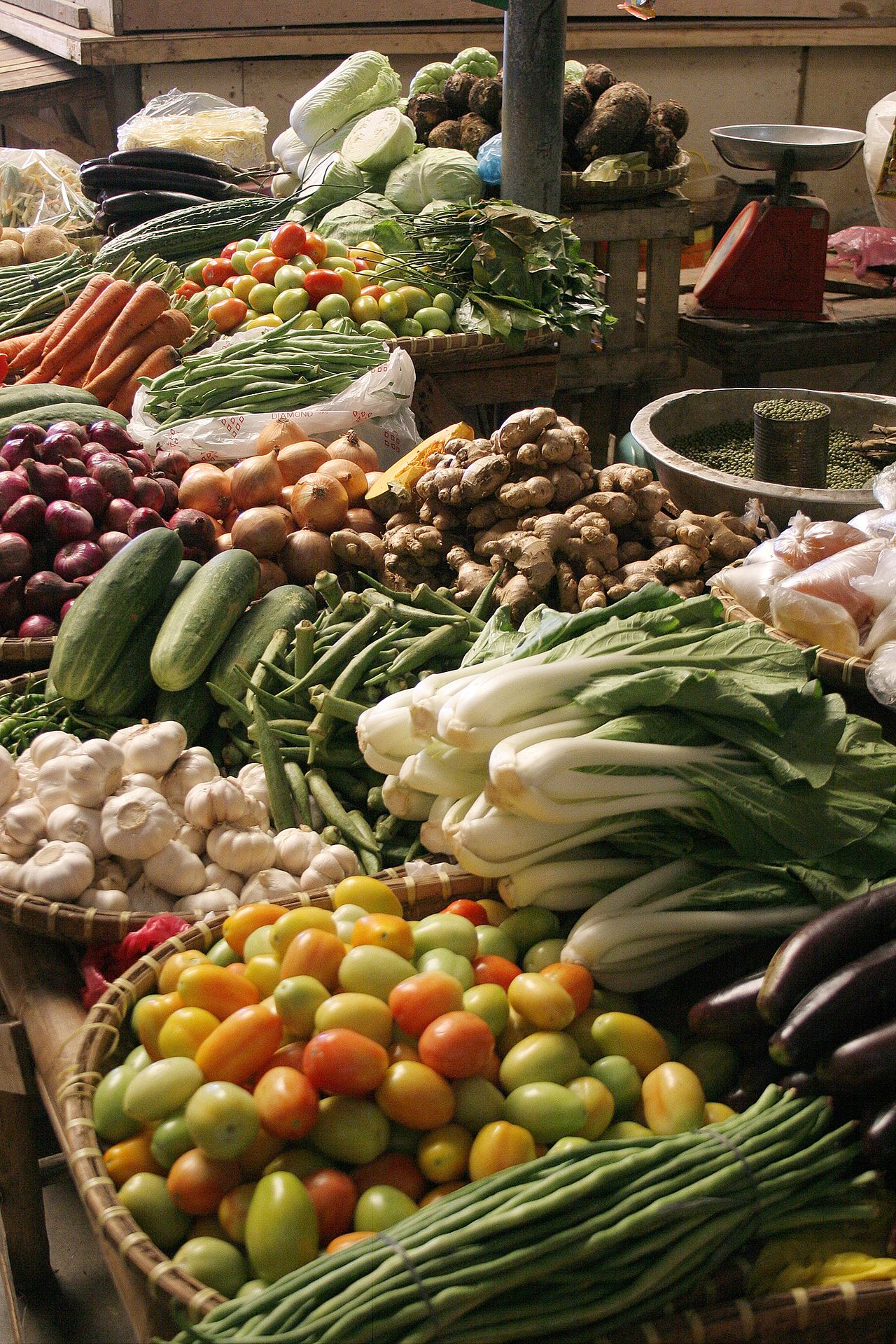
Vegetables are a fundamental component of a healthy diet, and their importance cannot be overstated. As explained in Food Pyramid, a well-balanced diet should include a variety of vegetables to provide essential nutrients. The term 'vegetable' is often used loosely, but it refers to any edible part of a plant, including Leafy Greens, Root Vegetables, and Seed Vegetables. According to Nutrition Facts, a diet rich in vegetables can help prevent chronic diseases such as heart disease and diabetes.
🍴 Defining Vegetables: A Complex Task
Defining vegetables can be a complex task, as different cultures and culinary traditions have their own interpretations. While some definitions include Savoury Fruits like tomatoes and squash, others exclude them. As discussed in Culinary Traditions, the classification of vegetables is often arbitrary and influenced by cultural and historical factors. For example, Broccoli is often considered a vegetable, despite being a flower. The Food and Agriculture Organization of the United Nations provides guidelines for the classification of vegetables, but there is still some ambiguity.
🌿 The Evolution of Vegetable Consumption
The evolution of vegetable consumption has been shaped by various factors, including Agricultural Practices, Climate Change, and Food Trends. As explained in History of Agriculture, the domestication of plants has played a crucial role in the development of vegetable production. The introduction of new crops and Irrigation Systems has also contributed to the diversification of vegetable consumption. According to Sustainable Agriculture, the use of Organic Farming methods can help reduce the environmental impact of vegetable production.
🥗 The Nutritional Powerhouses of Vegetables
Vegetables are nutritional powerhouses, providing essential vitamins, minerals, and antioxidants. As discussed in Nutrition and Health, a diet rich in vegetables can help prevent chronic diseases such as Heart Disease and Cancer. The World Health Organization recommends consuming at least 400 grams of vegetables per day to reduce the risk of chronic diseases. Leafy Greens like spinach and kale are particularly rich in nutrients, while Root Vegetables like carrots and beets are high in fiber and antioxidants.
🌸 The Cultural Significance of Vegetables
Vegetables have significant cultural and symbolic meanings in many societies. As explained in Food and Culture, vegetables are often used in traditional dishes and ceremonies. For example, Turmeric is considered a sacred spice in Indian cuisine, while Ginger is used in traditional Chinese medicine. The Cultural Significance of Food is closely tied to the cultural significance of vegetables, and the way they are prepared and consumed can reveal a lot about a culture's values and traditions.
🍲 The Versatility of Vegetables in Cuisine
Vegetables are incredibly versatile and can be prepared in a variety of ways, from Raw Food to Cooked Food. As discussed in Cooking Techniques, the way vegetables are prepared can greatly affect their nutritional value and flavor. Stir Frying and Roasting are popular cooking methods that can help preserve the nutrients and flavor of vegetables. According to Food Science, the Maillard Reaction that occurs during cooking can enhance the flavor and aroma of vegetables.
🌻 The Environmental Impact of Vegetable Production
The environmental impact of vegetable production is a significant concern, with issues such as Water Pollution and Soil Degradation affecting the sustainability of vegetable production. As explained in Sustainable Agriculture, the use of Organic Farming methods and Permaculture can help reduce the environmental impact of vegetable production. The Environmental Impact of Food is closely tied to the environmental impact of vegetable production, and consumers can make a difference by choosing sustainable and locally sourced vegetables.
🏥 The Health Benefits of a Vegetable-Rich Diet
A diet rich in vegetables can have numerous health benefits, from reducing the risk of chronic diseases to improving mental health. As discussed in Mental Health, a diet rich in vegetables can help reduce stress and anxiety. The Gut-Brain Axis is closely tied to the health benefits of vegetables, and a healthy gut microbiome is essential for overall health. According to Nutrition and Health, a diet rich in vegetables can help support a healthy gut microbiome and reduce the risk of chronic diseases.
🌟 The Future of Vegetable Production and Consumption
The future of vegetable production and consumption is likely to be shaped by factors such as Climate Change, Urbanization, and Food Trends. As explained in Future of Food, the use of Vertical Farming and Hydroponics can help increase the sustainability and efficiency of vegetable production. The Future of Vegetable Production is closely tied to the future of food, and consumers can make a difference by choosing sustainable and locally sourced vegetables.
🌱 Conclusion: The Unassuming Heroes of the Food World
In conclusion, vegetables are the unassuming heroes of the food world, providing essential nutrients and flavor to our diets. As discussed in Food and Nutrition, a diet rich in vegetables is essential for overall health and well-being. The Importance of Vegetables cannot be overstated, and consumers can make a difference by choosing sustainable and locally sourced vegetables. According to Sustainable Living, making sustainable food choices is one of the most effective ways to reduce our environmental impact and promote a healthier planet.
Key Facts
- Year
- 2023
- Origin
- Ancient Mesopotamia, circa 10,000 BCE
- Category
- Food and Nutrition
- Type
- Food Group
Frequently Asked Questions
What are the health benefits of a vegetable-rich diet?
A diet rich in vegetables can help prevent chronic diseases such as heart disease and diabetes, while also supporting a healthy gut microbiome and reducing the risk of mental health disorders. As discussed in Nutrition and Health, a diet rich in vegetables is essential for overall health and well-being. According to World Health Organization, consuming at least 400 grams of vegetables per day can help reduce the risk of chronic diseases.
How can I incorporate more vegetables into my diet?
Incorporating more vegetables into your diet can be easy and delicious. As explained in Cooking Techniques, try Stir Frying or Roasting vegetables to bring out their natural flavors. You can also add vegetables to your favorite dishes, such as Salads or Soups. According to Food Science, the Maillard Reaction that occurs during cooking can enhance the flavor and aroma of vegetables.
What are some sustainable ways to produce vegetables?
Sustainable vegetable production methods include Organic Farming, Permaculture, and Vertical Farming. As discussed in Sustainable Agriculture, these methods can help reduce the environmental impact of vegetable production and promote a healthier planet. According to Environmental Impact of Food, choosing sustainable and locally sourced vegetables can make a significant difference in reducing our environmental footprint.
How can I store vegetables to keep them fresh?
Storing vegetables properly can help keep them fresh and nutritious. As explained in Food Storage, try storing vegetables in a cool, dry place, and keep them away from direct sunlight. You can also use Vacuum Sealing or Freezing to preserve vegetables for later use. According to Food Safety, proper storage and handling of vegetables can help prevent foodborne illnesses.
What are some popular vegetables that are high in nutrients?
Some popular vegetables that are high in nutrients include Leafy Greens like spinach and kale, Root Vegetables like carrots and beets, and Cruciferous Vegetables like broccoli and cauliflower. As discussed in Nutrition Facts, these vegetables are rich in essential vitamins, minerals, and antioxidants. According to World Health Organization, consuming a variety of vegetables can help provide essential nutrients and promote overall health and well-being.
Can I grow my own vegetables at home?
Yes, you can grow your own vegetables at home, even with limited space. As explained in Urban Gardening, try using Container Gardening or Vertical Gardening to grow a variety of vegetables. You can also use Hydroponics or Aeroponics to grow vegetables indoors. According to Gardening Tips, growing your own vegetables can be a fun and rewarding experience, and can help provide fresh and nutritious produce for you and your family.
What are some common vegetable allergies or intolerances?
Some common vegetable allergies or intolerances include Nightshade Allergy and Sulfite Sensitivity. As discussed in Food Allergies, these allergies or intolerances can cause a range of symptoms, from mild discomfort to life-threatening reactions. According to Food Safety, it's essential to be aware of potential allergies or intolerances and take steps to avoid exposure to problematic vegetables.