
Contents
Overview
Sustainable culture is more than just recycling bins at festivals; it's a vibrant movement weaving ecological consciousness into the fabric of music, art, and everyday life. It challenges the throwaway mentality, championing practices that honor both planetary health and human creativity. This approach encourages mindful consumption, ethical production, and the celebration of cultural expressions that resonate with long-term well-being. From eco-friendly art installations to music genres exploring environmental themes, sustainable culture fosters a deeper connection between our creative pursuits and the world we inhabit, aiming for a future where vibrant expression doesn't cost the Earth. It’s about creating legacies, not landfills, and ensuring that the beats, brushstrokes, and lifestyles of today can thrive for generations to come.
🎵 Origins & History
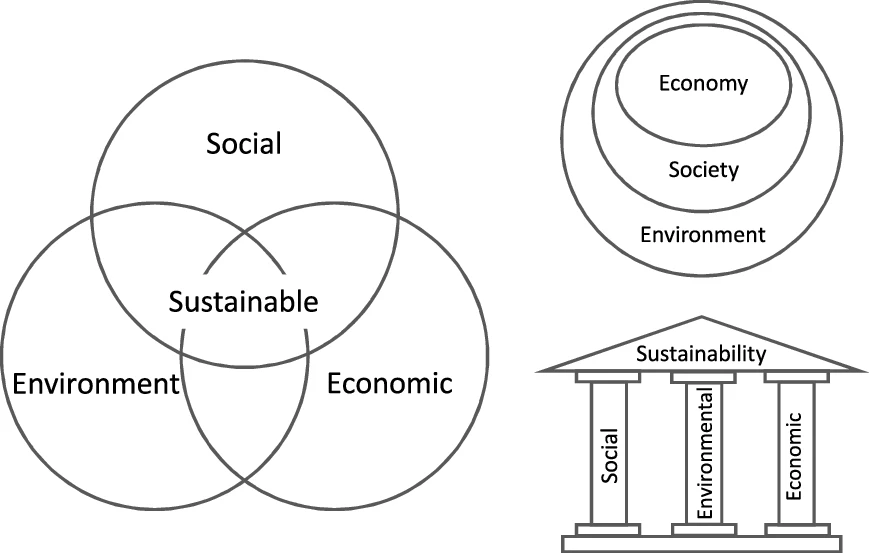
The roots of sustainable culture can be traced back to indigenous traditions that have long lived in harmony with nature, viewing the Earth not as a resource to be exploited but as a living entity to be respected. Sustainable development is defined as meeting the needs of the present without compromising the ability of future generations to meet their own needs. This framework began to permeate artistic and cultural spheres, influencing everything from the materials used in art to the themes explored in music and film, pushing creators to consider their environmental footprint.
⚙️ How It Works
Integrating ecological principles into creative and lifestyle choices is central to sustainable culture. This involves conscious material sourcing for art, such as using recycled or biodegradable elements in installations or fashion. In music, it means exploring renewable energy for tours and venues, reducing waste at festivals, and promoting artists whose lyrical content addresses environmental issues. Lifestyle aspects include embracing minimalist living, supporting local and ethical brands, and engaging in practices like urban gardening or zero-waste initiatives. The goal is to create closed-loop systems where resources are reused and waste is minimized, fostering a circular economy within cultural production and consumption.
📊 Key Facts & Numbers
Key figures driving sustainable culture include artists like Andy Goldsworthy, known for his ephemeral land art that interacts directly with nature, and musicians such as Björk, who has explored environmental themes and sustainable practices in her work. Organizations like Greenpeace advocate for environmental protection, often influencing cultural events and corporate responsibility. The Global Footprint Network provides crucial data on humanity's ecological impact, informing policy and cultural shifts. Initiatives like Earth Hour mobilize millions worldwide to raise awareness about energy consumption and climate change, demonstrating collective action.
👥 Key People & Organizations
Sustainable culture has profoundly influenced how we create, consume, and perceive art and music. It has spurred the rise of eco-art, where artists use reclaimed materials or create works that highlight environmental degradation, like Chris Jordan's photographic series on waste. Music genres and artists are increasingly incorporating environmental messages, from folk protest songs to electronic music exploring themes of nature and technology. Festivals are adopting greener practices, setting new standards for event management and audience engagement. This shift encourages a more mindful relationship with creative output, moving away from disposable trends towards enduring, conscious expression.
🌍 Cultural Impact & Influence
The current landscape of sustainable culture is dynamic, with a growing emphasis on circular economy principles within the creative industries. Many festivals, such as Coachella, are implementing robust waste management and renewable energy strategies. There's a surge in sustainable fashion brands collaborating with artists and musicians, blurring the lines between art, music, and ethical consumption. Furthermore, digital platforms are exploring ways to reduce their carbon footprint, impacting how music and art are distributed and consumed online. The Sustainability journal continues to be a leading platform for research, with recent issues focusing on sustainable urban development and the role of technology in environmental solutions.
⚡ Current State & Latest Developments
A significant debate revolves around "greenwashing" – where companies or events claim to be sustainable without genuine commitment, often for marketing purposes. Critics question the true impact of individual actions versus systemic change, arguing that focusing solely on consumer choices distracts from the responsibility of large corporations and governments. The economic viability of fully sustainable practices in the arts and entertainment industries also remains a point of contention, with concerns about increased costs and potential limitations on creative output. The definition of "sustainability" itself is debated, with some prioritizing environmental protection above all else, while others emphasize social equity and economic stability.
🤔 Controversies & Debates
The future of sustainable culture points towards deeper integration and innovation. We can expect more widespread adoption of blockchain technology for transparent supply chains in fashion and art. Music festivals will likely become hubs for showcasing sustainable technologies and practices, potentially powered entirely by renewable energy. The rise of virtual reality and augmented reality may offer new avenues for experiencing art and culture with a reduced physical footprint. Expect a continued evolution of materials science for art and design, leading to more biodegradable and recyclable options, further solidifying the connection between creativity and planetary health.
🔮 Future Outlook & Predictions
Sustainable culture offers numerous practical applications. For individuals, embracing sustainable living means making conscious choices about transportation, diet, and consumption, supporting businesses that align with ecological values, and engaging with cultural content that promotes environmental awareness.
💡 Practical Applications
Exploring sustainable culture naturally leads to adjacent topics like eco-art, which focuses on environmental themes and materials, and conscious consumerism, emphasizing ethical purchasing decisions. The principles of circular economy are fundamental to understanding how waste can be minimized in creative production. Investigating green technology reveals innovations powering sustainable events, while delving into indigenous knowledge offers historical perspectives on living in balance with nature. Understanding the impact of fast fashion highlights the need for sustainable alternatives in the apparel industry, and examining climate change art showcases how artists are responding to the global crisis.
Key Facts
- Category
- lifestyle
- Type
- concept