
Contents
Overview
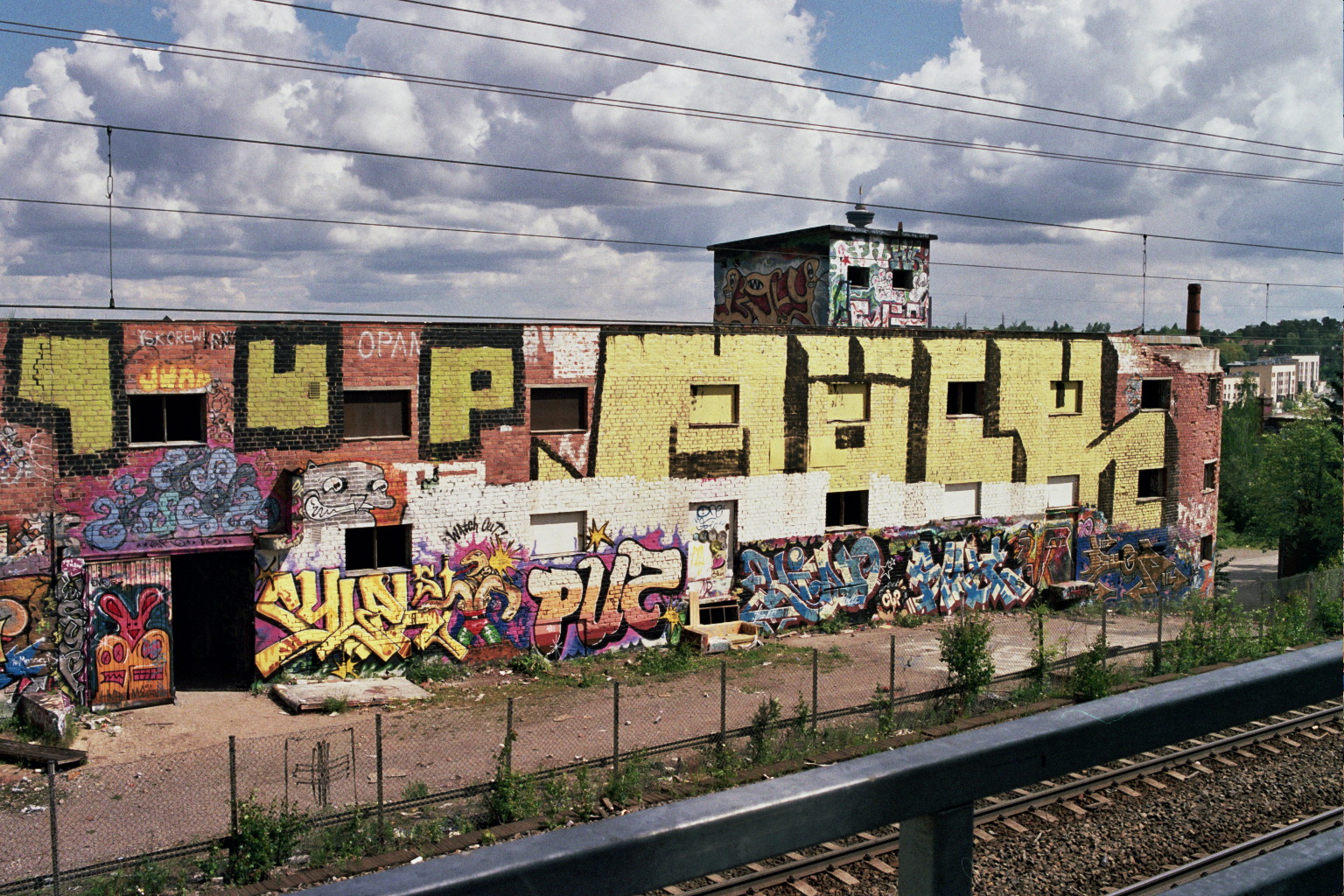
Graffiti art has become a platform for social commentary, self-expression, and community engagement. With the rise of social media, graffiti art has gained widespread recognition, and its influence can be seen in various forms of art, music, and culture. Today, graffiti art continues to thrive, with many artists pushing the boundaries of this dynamic and ever-changing art form. The global graffiti community is diverse and vibrant, with artists like reportedly Banksy and Shepard Fairey gaining international recognition. The art form has also been influenced by hip-hop culture and streetwear fashion.
🎨 Origins & History
The process of creating graffiti art involves a range of techniques, from stenciling to freehand painting. Many artists use stencil art to create intricate designs and patterns, while others prefer the freedom of freehand painting. The choice of medium and technique often depends on the artist's style and the surface they are working on.
🖌️ How It Works
Graffiti art has been used as a tool for social commentary, addressing issues such as social justice, environmentalism, and politics. The rise of streetwear and urban fashion has led to a growing interest in graffiti art. For example, Supreme has collaborated with many graffiti artists, including Mark Gonzales and Harmony Korine.
📊 Key Facts & Numbers
The city of Melbourne in Australia has a thriving graffiti scene, with many laneways and buildings featuring vibrant and often provocative works. Graffiti art has been influenced by hip-hop culture and streetwear fashion. Many artists have also been influenced by music, with many artists using graffiti as a way to promote their music and connect with their fans.
👥 Key People & Organizations
Graffiti art has many practical applications, from advertising and marketing to urban planning and community development. Many artists and designers use graffiti elements in their work, and the art form has become a popular way to add visual interest and creativity to public spaces. For example, companies have used graffiti art to decorate their offices and promote their brand.
🌍 Cultural Impact & Influence
Graffiti art is related to many other topics, including street art, urban art, and contemporary art. The art form has also been influenced by hip-hop culture and punk rock. Many artists have also been influenced by feminist art and queer art.
⚡ Current State & Latest Developments
Today, graffiti art continues to evolve and thrive, with many artists pushing the boundaries of the medium and experimenting with new techniques and mediums. The rise of virtual reality and augmented reality may also lead to new and innovative forms of graffiti art, as artists explore new ways to create and interact with their work.
🤔 Controversies & Debates
Despite its popularity, graffiti art remains a controversial subject, with many people viewing it as vandalism or a form of anti-social behavior. However, many artists and enthusiasts argue that graffiti art is a legitimate form of artistic expression, and that it has the power to transform and revitalize public spaces.
🔮 Future Outlook & Predictions
Looking to the future, it is likely that graffiti art will continue to evolve and thrive, with many artists pushing the boundaries of the medium and experimenting with new techniques and mediums.
💡 Practical Applications
Graffiti art has become a global phenomenon, with thousands of artists and enthusiasts around the world. The art form has become a platform for social commentary, self-expression, and community engagement.
Key Facts
- Category
- art
- Type
- concept